Skip to content

peptidebodyscience.blog

Author: admin

Peptide Counterion Analysis: TFA vs Acetate and Why Peptide Salt Forms Matter

November 10, 2026 By admin Leave a comment

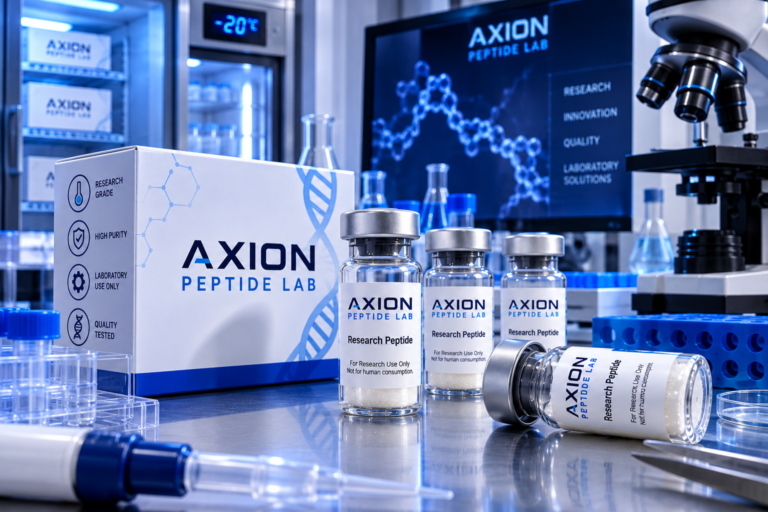
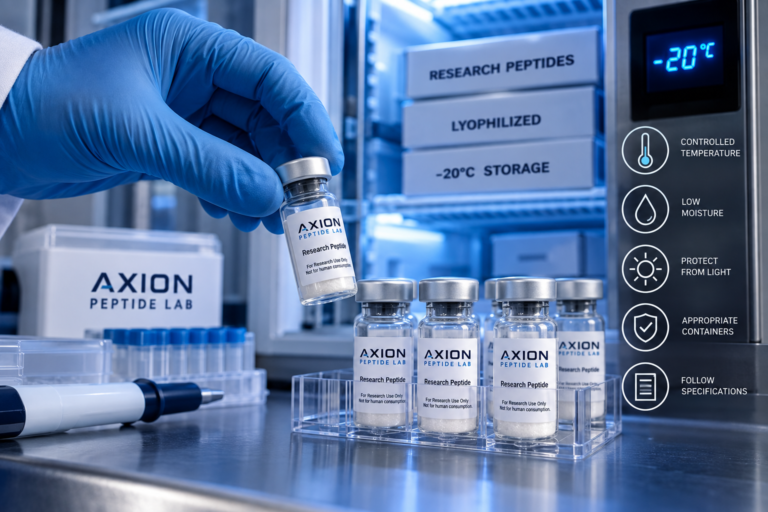
Peptide counterion analysis is an important but frequently overlooked aspect of synthetic peptide characterisation. Laboratories often focus on molecular identity, HPLC purity and mass spectrometry results when evaluating research peptides. However, the ionic components associated with a peptide preparation can…
Read More →

Peptide Sequence Analysis: How Scientists Verify Amino Acid Identity and Synthetic Peptide Structure

November 10, 2026 By admin Leave a comment

Peptide sequence analysis is a fundamental part of analytical chemistry, molecular biology and synthetic peptide characterisation. It helps researchers investigate whether the amino acids in a peptide are arranged in the intended order and whether the resulting material is consistent…

Read More →
Peptide water content testing infographic explaining residual moisture in lyophilised research peptides.

Peptide Molecular Weight Analysis: How LC-MS Confirms Research Peptide Identity

November 10, 2026 By admin Leave a comment

Peptide molecular weight analysis is one of the most important techniques used in the analytical characterisation of synthetic peptides. Before a laboratory can confidently interpret experimental findings involving a peptide preparation, it needs suitable evidence that the material is chemically…

Read More →
Peptide water content testing infographic explaining residual moisture in lyophilised research peptides.

Peptide Stability Testing: How Storage, Temperature and Degradation Affect Research Quality

November 10, 2026 By admin Leave a comment

Peptide stability testing is an essential component of laboratory research involving synthetic peptides, peptide-based reference materials and experimental molecular compounds. Although peptide purity and identity are important during initial material characterisation, they do not establish whether a sample will retain…

Read More →
Peptide water content testing infographic explaining residual moisture in lyophilised research peptides.

Research Peptide Purity Testing: HPLC, LC-MS and Certificate of Analysis Explained

November 10, 2026 By admin Leave a comment

Research peptide purity testing is an essential part of laboratory material characterisation. Scientists working with synthetic peptides need reliable analytical evidence to understand the composition of their samples, identify possible impurities and determine whether a material meets the requirements of…

Read More →
Peptide water content testing infographic explaining residual moisture in lyophilised research peptides.

How to Evaluate Research Peptide Suppliers: 9 Quality Checks Before Buying

November 10, 2026 By admin Leave a comment

Finding reliable research peptide suppliers requires more than comparing product prices, reading customer reviews or choosing a company with an attractive website. For professional laboratories, scientific institutions and qualified research organisations, selecting a supplier is a procurement decision that can…

Read More →
Peptide water content testing infographic explaining residual moisture in lyophilised research peptides.

Research Peptide Quality: How Scientists Evaluate Purity, Identity and Laboratory Documentation

November 10, 2026 By admin Leave a comment

Research peptide quality is a fundamental consideration in analytical chemistry, molecular biology and laboratory investigations involving synthetic peptides. Whether a laboratory is evaluating a short peptide sequence, studying molecular stability or developing a new analytical method, the reliability of its…

Read More →

Recent Posts

  • Peptide Counterion Analysis: TFA vs Acetate and Why Peptide Salt Forms Matter
  • Peptide Sequence Analysis: How Scientists Verify Amino Acid Identity and Synthetic Peptide Structure
  • Peptide Molecular Weight Analysis: How LC-MS Confirms Research Peptide Identity
  • Peptide Stability Testing: How Storage, Temperature and Degradation Affect Research Quality
  • Research Peptide Purity Testing: HPLC, LC-MS and Certificate of Analysis Explained

Recent Comments

No comments to show.

Archives

  • November 2026

Categories

  • Uncategorized

© 2026 peptidebodyscience.blog. All rights reserved.